
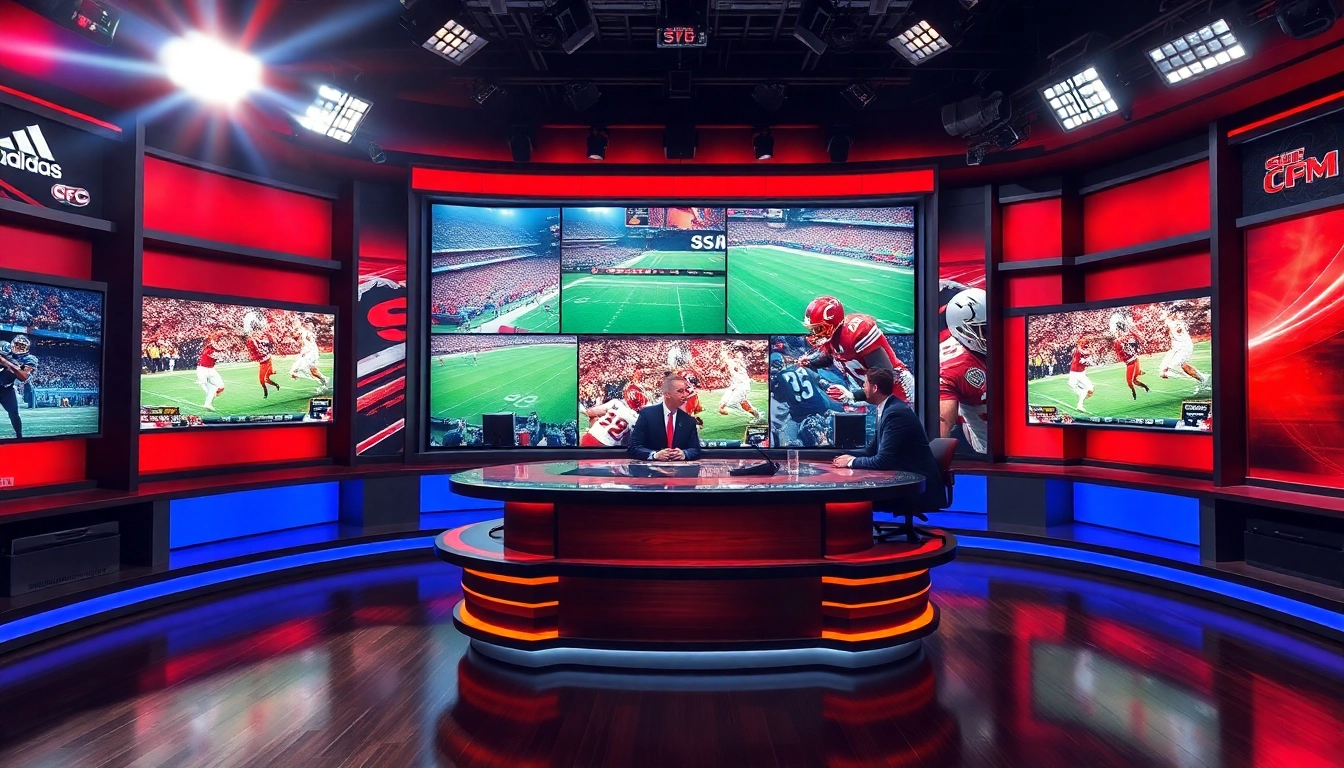
Understanding Sports Broadcasting
Sports broadcasting is a vital component of the modern sports ecosystem, allowing fans to engage with their favorite teams and athletes through various media platforms. Over the years, it has evolved tremendously, influenced by technological advancements, changing viewer preferences, and industry trends. The landscape is complex, but by analyzing its evolution, key components, and the role of technology, we can gain valuable insights into how to effectively deliver content to audiences hungry for real-time updates and immersive experiences. As we explore these facets, we'll see how Sports Broadcasting is adapting and transforming in the face of innovation.
The Evolution of Sports Broadcasting
The journey of sports broadcasting began in the early 20th century with radio broadcasts. The first sports event covered was a boxing match in 1921, marking the initiation of sports being made available to the public through audio transmission. This created a new platform for sharing sport content, allowing fans to engage with live events even if they couldn’t be present in person.
With the introduction of television in the mid-20th century, sports broadcasting took a giant leap forward. The first televised sporting event was a college baseball game in 1939, followed by major events like the World Series and the Olympics. This era not only expanded the audience reach but also showcased the potential of visual storytelling in sports.
As technology advanced further, the introduction of cable television in the 1980s brought specialized sports networks to homes, enabling fans to access a plethora of sports content 24/7. The recent shift to digital platforms, including streaming services and social media, has revolutionized how sports are consumed, allowing for instant access to highlights, on-demand viewing, and interactive engagement.
Key Components of Modern Sports Broadcasting
Modern sports broadcasting encompasses various moving parts, which together create a seamless viewer experience. Key components include:
- Television Broadcasting: Traditional TV channels still play a significant role, providing live coverage of major sporting events and exclusive content.
- Streaming Services: Online platforms like ESPN+, Hulu Live, and Amazon Prime Video offer flexibility to viewers and have become increasingly popular.
- Social Media: Platforms like Twitter, Instagram, and Facebook allow broadcasters to reach younger audiences and engage with fans through real-time updates and interactive content.
- Podcasting: Audio content has grown in popularity, providing in-depth analysis, commentary, and interviews that enhance the overall viewing experience.
- Mobile Applications: Apps provide users with live scores, updates, and highlights, allowing fans to stay connected wherever they are.
The Role of Technology in Sports Broadcasting
Technology is at the heart of sports broadcasting. Innovations such as high-definition video, virtual reality (VR), and augmented reality (AR) have drastically changed viewer experiences. High-definition broadcasting provides crystal-clear visuals, which allow fans to enjoy every detail of the game as if they were sitting in the stadium.
Additionally, VR and AR technologies create immersive environments. For instance, viewers can experience a 360-degree replay of key moments or “sit” in premium seats from their homes. These advancements not only enhance the viewing experience but also pave the way for interactive features, such as live betting and multi-angle viewing options.
Moreover, data analytics tools are increasingly used for broadcasting. They analyze viewer engagement, optimize content delivery, and even tailor advertisements based on audience preferences. These insights are essential for broadcasters looking to maximize their reach and ensure fan satisfaction.
Trends Shaping the Future of Sports Broadcasting
Live Streaming and Viewer Engagement
The shift toward live streaming is one of the most significant trends in sports broadcasting. Traditional cable subscriptions are declining as viewers prefer the flexibility of streaming content on demand. Live streaming allows broadcasters to provide real-time coverage of events, enabling fans to watch their favorite games from any location.
Engagement tools such as live polls, social media integration, and real-time stats have also enhanced viewer interaction. This sense of engagement is critical in retaining loyal audiences who desire a two-way experience with their favored teams, empowering fans to participate in the narrative around the sporting event.
Data Analytics in Sports Broadcasting
Data analytics have transformed the way sports content is created and delivered. By analyzing viewer behavior and patterns, broadcasters can make data-driven decisions that enhance the viewing experience. Metrics such as viewing habits, audience demographics, and social media engagement help in crafting personalized content.
For example, broadcasts can segment their audience and deliver tailored advertisements and content, ensuring relevancy. Furthermore, analytics can evaluate which segments of a game attract the most views, thereby influencing camera angles and related narratives during live broadcasts.
Consumer Preferences and Market Shifts
Consumer preferences have drastically shifted in recent years, with audiences increasingly demanding convenience and personalization. Younger generations, particularly Gen Z and Millennials, gravitate towards platforms that offer unique content experiences. This demographic is more likely to engage with highlights, short clips, and behind-the-scenes footage than traditional game broadcasts.
Moreover, mobile device usage has surged, prompting broadcasters to optimize content for multiple screens. This shift demands a robust multi-platform strategy involving social media, apps, and direct streaming to ensure content is accessible and engaging across various devices.
Best Practices for Effective Sports Broadcasting
Creating Engaging Content for Sports Fans
To build a loyal audience, creating engaging content is paramount. This includes not only live game coverage but also additional content such as interviews, analyses, and exciting narratives. Using relatable storytelling can captivate an audience, turning casual viewers into dedicated fans.
Utilizing high production quality, dynamic visuals, and interesting graphics can enhance the overall experience. Moreover, interactive features like polls and quizzes during broadcasts can increase viewer participation and make the experience more fun and engaging.
Leveraging Social Media for Promotion
Social media is a powerful tool for promoting sports broadcasts and engaging with fans. By using platforms such as Twitter, Instagram, and TikTok, broadcasters can share highlights, real-time updates, and behind-the-scenes content that resonates with fans. Hashtags and challenges can also enhance visibility and encourage user participation, creating a community around the broadcast.
Additionally, collaborations with influencers and athletes can broaden reach and attract new viewers by appealing to diverse audiences. Promotional content leading up to big matches or events builds anticipation and keeps the community engaged.
Quality Control and Ethical Standards
High-quality, ethical broadcasting is crucial for maintaining credibility and respect within the industry. Broadcasters must ensure accuracy in reporting, avoiding sensationalism or misleading information. This includes clear sourcing of statistics and event details, particularly when discussing players or teams.
Moreover, upholding respect for athletes and their wellbeing in coverage is essential. Discouraging mobs of scandalous commentary and focusing instead on themes of resilience, teamwork, and sportsmanship will uplift the narrative and promote positive engagement.
Challenges in Sports Broadcasting Today
Competition from Other Media Platforms
Competition is fierce in the sports broadcasting world, driven by the proliferation of streaming services, social media platforms, and user-generated content. This has led traditional broadcasters to rethink their strategies and engage audiences on innovative platforms. Engaging content creation isn’t just about the events themselves but about entertainment opportunities that allow audiences to engage outside of traditional game-day formats.
To offset competition, broadcasters need to invest in creativity and incorporate fresh narratives, interactive content, and captivating visuals that differentiate them from purely viewing options.
Regulatory Issues and Licensing
The sports broadcasting sector faces a multitude of regulatory issues regarding licensing and rights management. Complicated contracts and negotiations—particularly with major leagues, teams, and player associations—can pose challenges for broadcasters aiming to secure comprehensive coverage.
Moreover, regulatory compliance relates to aspects such as content censorship and anti-piracy efforts, requiring broadcasters to navigate complex legal waters to avoid costly penalties.
Maintaining Audience Loyalty in a Changing Landscape
With an abundance of content options available, maintaining audience loyalty is a leading concern for broadcasters. As viewers continuously seek new experiences, brands must evolve their offerings to align with changing tastes and preferences. This involves consistently delivering high-quality content, engaging viewer interactions, and showcasing unique angles on renowned games.
Moreover, staying in touch with community sentiment through feedback mechanisms can inform broadcasters about shifting audience expectations, enabling adjustments to keep the connection strong.
Measuring Success in Sports Broadcasting
Key Performance Indicators (KPIs) to Track
Measuring success in sports broadcasting relies on tracking several key performance indicators (KPIs). Metrics such as viewership numbers, audience retention rates, and engagement ratios provide insight into how well content resonates with the audience. Other relevant KPIs include social media interactions, ad impressions, and subscription growth rates.
These indicators allow broadcasters to assess the efficacy of their strategies and make informed decisions regarding content and promotional investments.
Analyzing Viewer Feedback and Engagement
Viewer feedback serves as a critical tool for broadcasters aiming to fine-tune their approach. Regularly soliciting audience input through surveys and social media interactions helps gauge viewer sentiment. Evaluating engagement metrics like shares, comments, and likes contribute to understanding what content resonates best and what requires adjustment.
This data-driven approach not only fosters audience loyalty but also informs future programming and content delivery, making it more appealing to viewers.
Adapting Strategies Based on Metrics
Adaptability is vital in the fluid landscape of sports broadcasting. By continuously analyzing performance metrics, broadcasters can identify successful trends and capitalize on them while adjusting strategies in response to shifts or declines in viewer engagement. This responsive approach empowers brands to remain relevant and competitive, addressing audience needs effectively.
Utilizing insights from data analytics can guide programming decisions, marketing strategies, and even content themes, aligning with what audiences crave in their viewing experience.
FAQs About Sports Broadcasting
What are the primary mediums used in sports broadcasting?
The main mediums include television, online streaming platforms, radio, podcasts, and social media for real-time updates and engagement.
How has technology changed sports broadcasting?
Technological advancements have improved video quality, enabled live streaming, and introduced immersive experiences via VR and AR, enhancing overall viewer engagement.
What strategies can enhance audience loyalty in sports broadcasting?
Engaging content, effective use of social media, regular feedback collection, and a commitment to high-quality production can foster strong audience loyalty.
What are KPIs in measuring sports broadcasting success?
KPIs include viewership numbers, audience retention, engagement rates, and subscription growth, all crucial for assessing the success and reach of broadcasts.
What challenges do broadcasters face today?
Challenges include fierce competition from other media platforms, complex licensing regulations, and evolving consumer preferences for content delivery.